
A northern Chile road trip where the sky takes centre stage
Chile is one of the world’s most remarkable destinations for stargazing. Low light pollution, extremely dry conditions and the large number of clear nights recorded across northern Chile create an exceptional setting for observing stars, planets, constellations and the Milky Way.
The Elqui Valley and the Atacama Desert are two of the country’s main astrotourism destinations, offering public observatories, guided night tours and astrophotography experiences. The Elqui Valley has more than 300 clear nights a year and is home to several observatories open to visitors.
This Chile stargazing route by campervan connects Santiago with the Elqui Valley, the Limarí Valley, Bahía Inglesa and San Pedro de Atacama. It combines astronomy, nature, local culture, food and the freedom of travelling through Chile at your own pace.
Minimum recommended duration: 6 days.
Ideal duration: 7 to 9 days.
Road conditions: mainly paved highways, with some secondary and high-altitude roads.
Overnight stays: use authorised campsites and campervan parking areas only.
Day 1: Santiago to the Elqui Valley
Approximate distance: 525 kilometres.
Estimated driving time: 7 hours without long stops.
The journey begins by driving north from Santiago along Route 5. Leave early and take regular breaks to rest, refuel and enjoy the changing scenery.
You can stop in La Serena before entering the Elqui Valley or continue directly to Vicuña, one of the region’s main cultural and astronomical centres.
Things to do in Vicuña
Vicuña is the birthplace of Nobel Prize-winning poet Gabriela Mistral and one of the main gateways to stargazing in the Elqui Valley.
Recommended attractions include:
- Gabriela Mistral Museum.
- Vicuña’s main square.
- Mamalluca Observatory.
- Puclaro Reservoir.
- Local pisco producers.
- Guided astronomy experiences around the valley.
Mamalluca was one of Chile’s first tourist observatories and continues to offer night-time visits. Check current schedules and book before travelling.
Where to stay overnight in a campervan
Choose an authorised campsite in or around Vicuña that accepts recreational vehicles. Camping Uchumí and Camping y Domos Las Pataguas are two local options offering camping areas, parking and basic facilities.
Contact the campsite directly to confirm vehicle-size restrictions, electricity, water and campervan access.
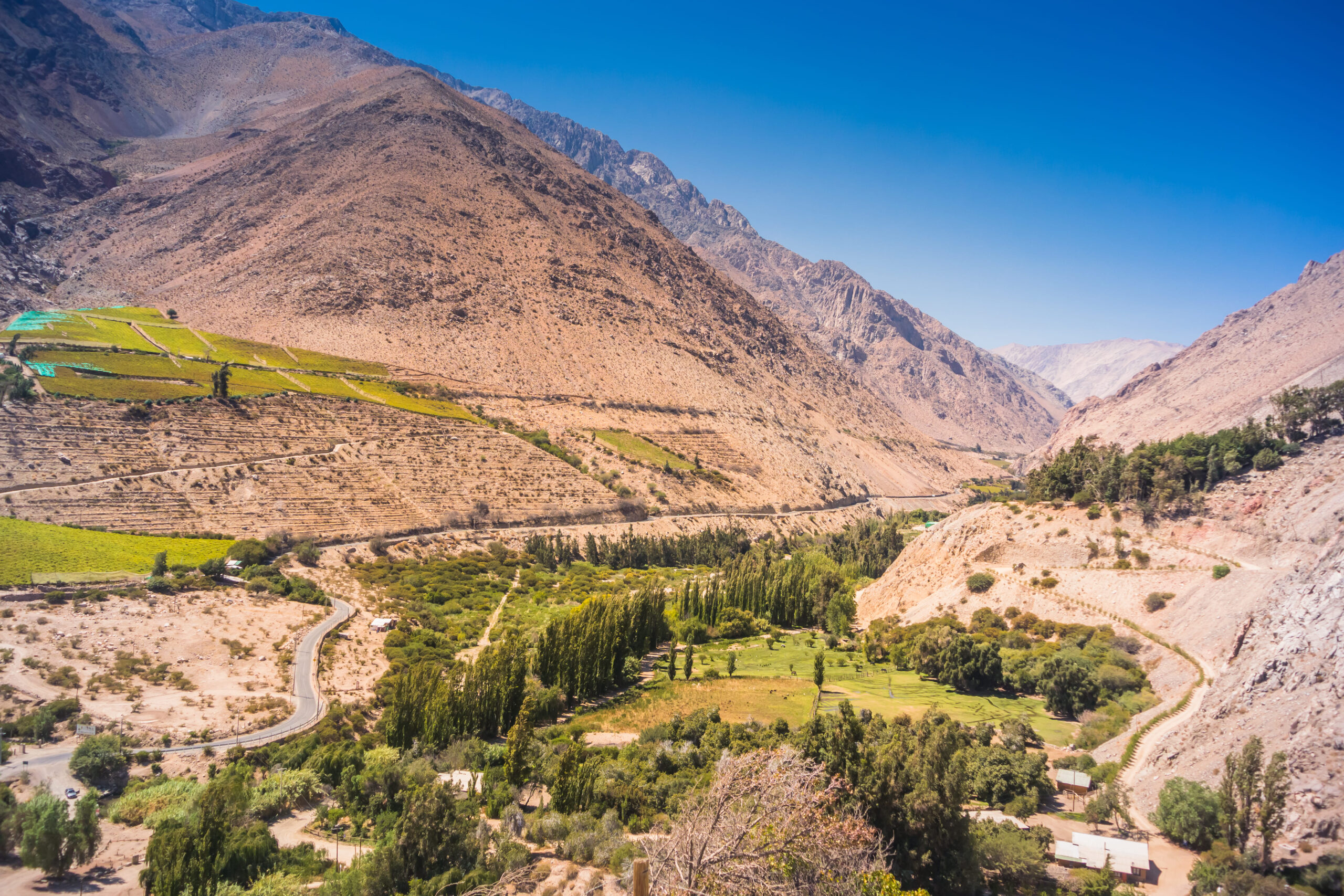
Day 2: Pisco Elqui, Cochiguaz and the upper Elqui Valley
Spend the second day exploring the deeper sections of the valley. From Vicuña, drive through Paihuano and Montegrande towards Pisco Elqui, Cochiguaz and Alcohuaz.
Morning: pisco culture and traditional villages
Pisco Elqui is an excellent place to discover the history and production of Chilean pisco. Traditional producers such as Fundo Los Nichos and Pisquera Mistral offer tours and tastings.
Bookings are recommended, particularly during weekends, public holidays and the summer season.
You can also stop in Montegrande and visit places connected to the life of Gabriela Mistral.
Afternoon: nature and viewpoints
Continue towards Cochiguaz, a peaceful area surrounded by mountains, vineyards and riverside scenery. Take a gentle walk, visit a viewpoint or simply spend the afternoon enjoying the landscape.
Drive carefully, as some roads are narrow and winding.
Evening: a guided stargazing experience
After sunset, join an astronomy tour in Pisco Elqui, Cochiguaz, Alcohuaz or Vicuña. Depending on the provider, the experience may include naked-eye observation, telescopes, constellation identification and night photography.
Tours are weather-dependent, and some operators reduce or suspend deep-sky observations around the full moon.
The mystical side of the Elqui Valley
The valley is also known for local stories involving spirituality, unexplained lights, energy and UFO sightings. Several thematic tours explore these accounts as part of the region’s folklore rather than presenting them as scientifically verified events.
Where to stay
Use an authorised campsite in Pisco Elqui, Cochiguaz or the surrounding area. Do not enter private land or stay overnight in isolated locations without permission.
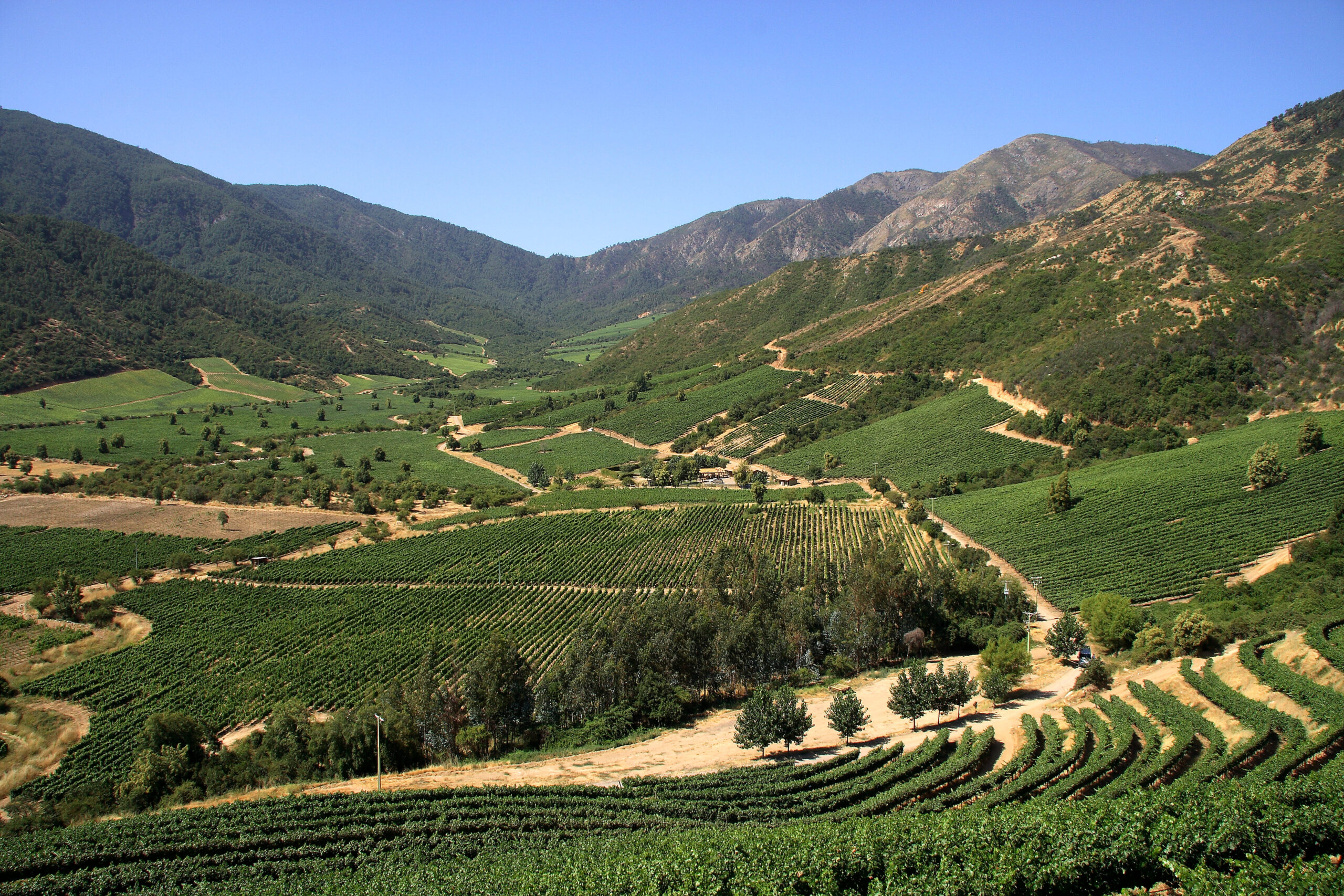
Day 3: Elqui Valley to Combarbalá
Approximate distance: 180 to 250 kilometres, depending on the departure point and selected route.
Estimated driving time: 3 to 5 hours.
This stage connects the Elqui Valley with the Limarí Valley and Combarbalá. Check your route before leaving, as mountain roads may include bends, gradients and changing driving conditions.
Recommended stops
Depending on your route, you can explore Ovalle, Monte Patria and the landscapes around La Paloma and Cogotí reservoirs.
Respect all road signs and restrictions, and ask locally which viewpoints and access roads are currently open.
Cruz del Sur Observatory
The day’s main astronomical attraction is Cruz del Sur Observatory in Combarbalá. This tourist observatory has four domes and runs guided night-time programmes.
Visits are offered at scheduled times, but booking is essential because availability depends on capacity and weather conditions.
Where to stay
Book an authorised campsite or accommodation in Combarbalá. Public squares and street parking should not be promoted as regular overnight locations.
Day 4: Combarbalá to Bahía Inglesa
Approximate distance: 500 to 550 kilometres.
Estimated driving time: 7 to 8 hours with breaks.
This section allows you to continue into the Atacama Region without attempting an excessively long drive.
Leave early, refuel before departure and carry enough drinking water.
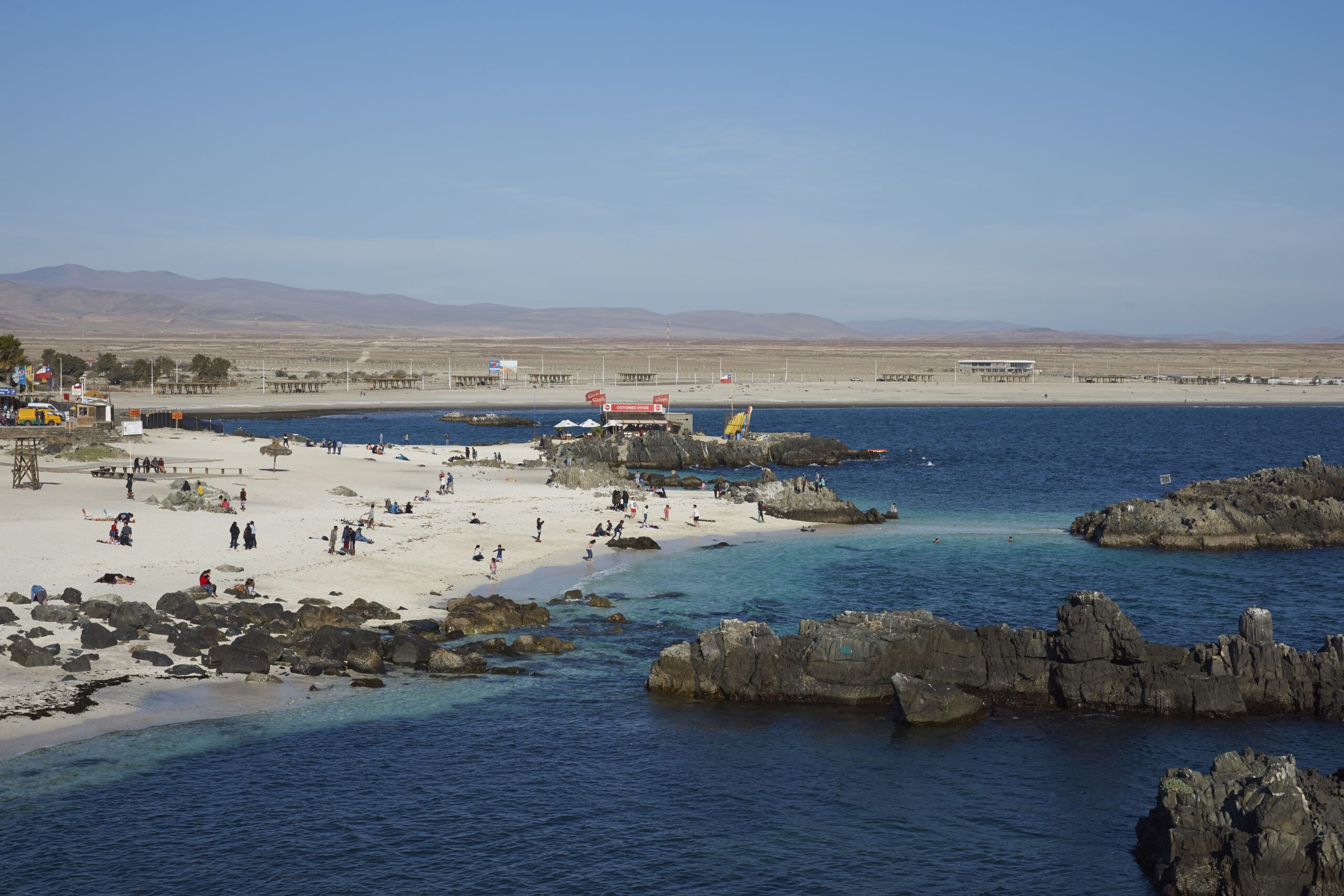
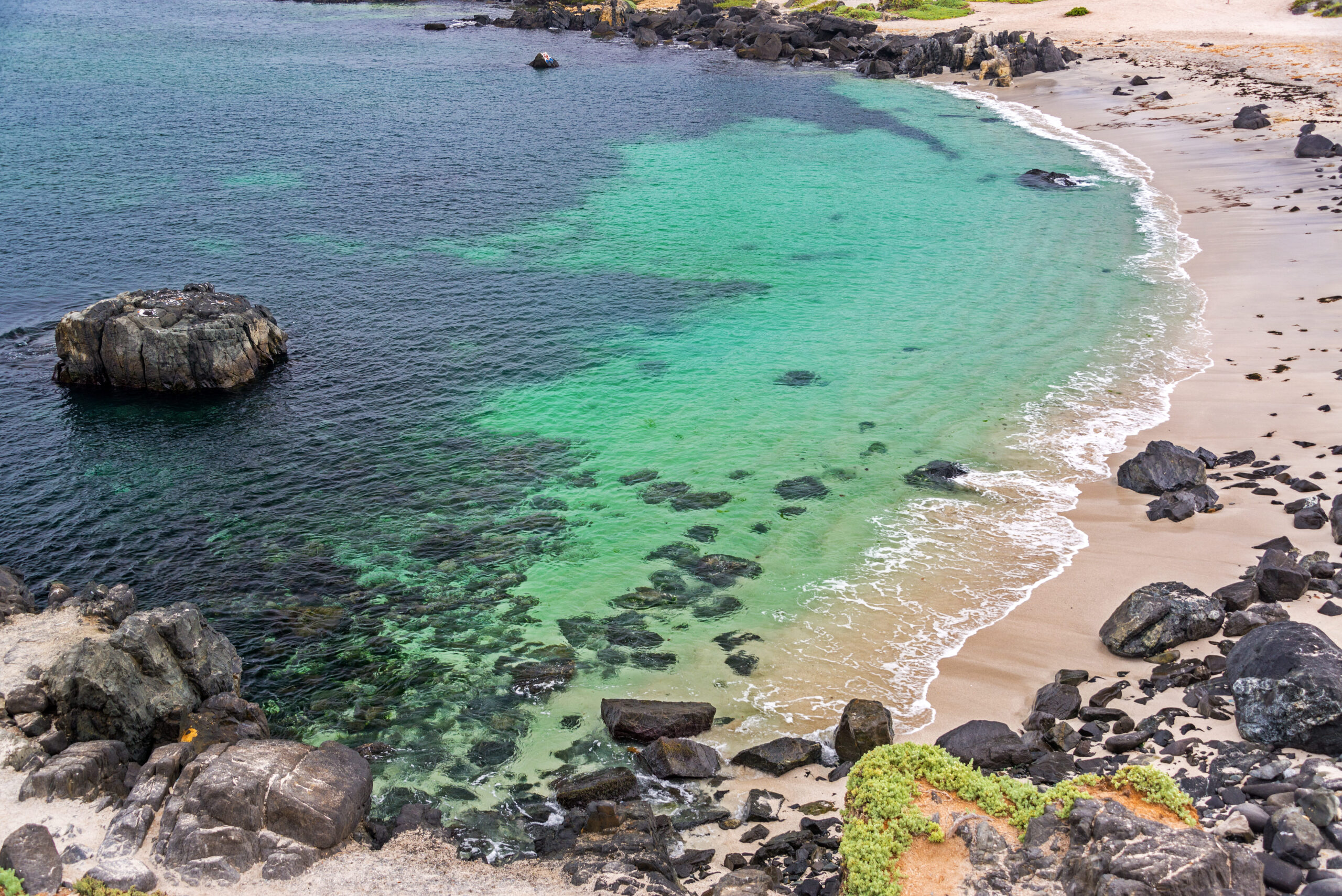
Once you arrive, enjoy Bahía Inglesa’s turquoise water, pale sand and coastal atmosphere. You can also explore the town of Caldera, sample local seafood and watch the sunset over the Pacific Ocean.
Where to stay
Select an authorised campsite in Bahía Inglesa, Caldera or the surrounding area. Confirm that it accepts campervans and offers suitable parking, toilets and water.
Day 5: Bahía Inglesa to San Pedro de Atacama
Approximate distance: 757 kilometres.
Estimated driving time: 9 to 10 hours without long stops.
This is the longest driving day of the itinerary. Ideally, share the driving, begin early and stop regularly.
Fill the fuel tank and stock up on drinking water and food before departure. Distances between towns and services can be considerable in northern Chile.
After arriving in San Pedro de Atacama, explore the historic centre, enjoy a relaxed dinner and rest. Avoid scheduling a demanding high-altitude excursion immediately after such a long journey.
Where to stay in San Pedro de Atacama
Choose a campsite that accepts recreational vehicles and confirm its services in advance.
Potential places to contact include Eco Camping Los Abuelos and Camping Quilarcay. Eco Camping Los Abuelos lists hot showers, electricity and camping spaces among its facilities, while Camping Quilarcay highlights its naturally dark surroundings.
Always confirm whether your particular campervan model can enter and park safely.
Day 6: San Pedro de Atacama and desert stargazing
After a good night’s sleep, spend the day discovering the landscapes surrounding San Pedro de Atacama.
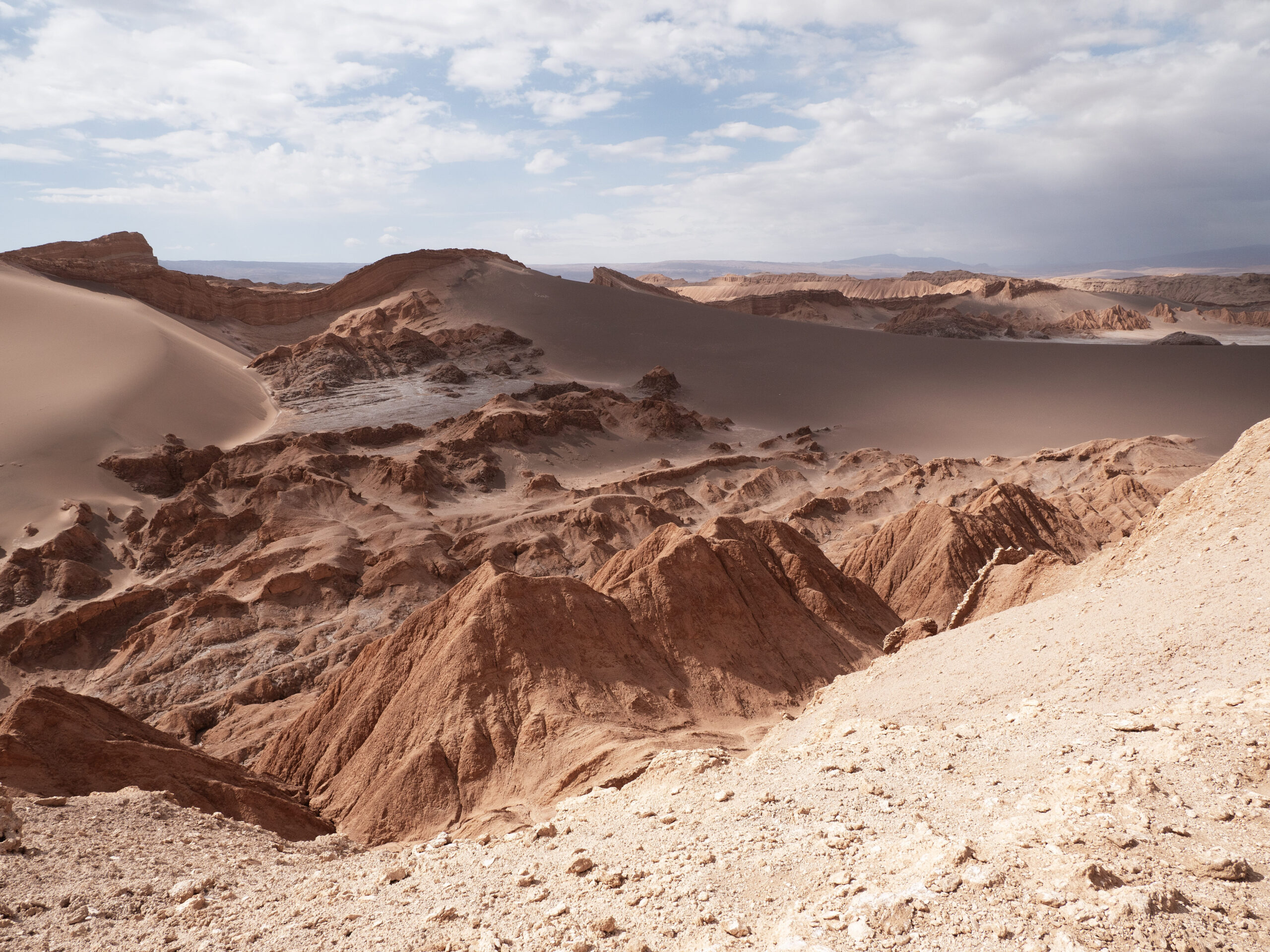
Option 1: Moon Valley
Moon Valley is located close to San Pedro and is known for its dunes, mineral formations and otherworldly desert scenery.
It forms part of Los Flamencos National Reserve, so visitors must follow official opening times, marked trails and conservation rules.
It is a suitable option for travellers looking for a half-day experience close to town.
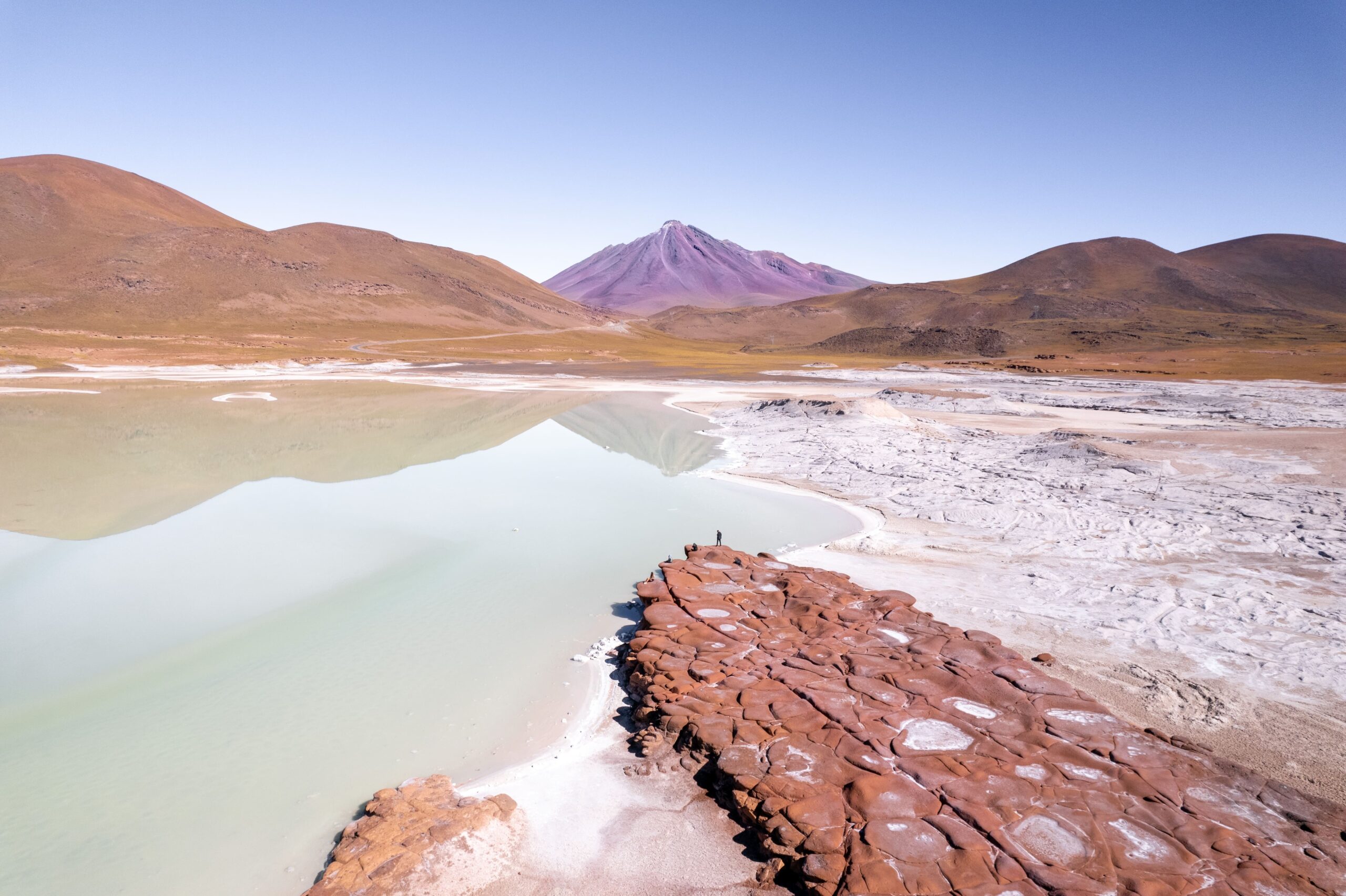
Option 2: Piedras Rojas and the Altiplano lagoons
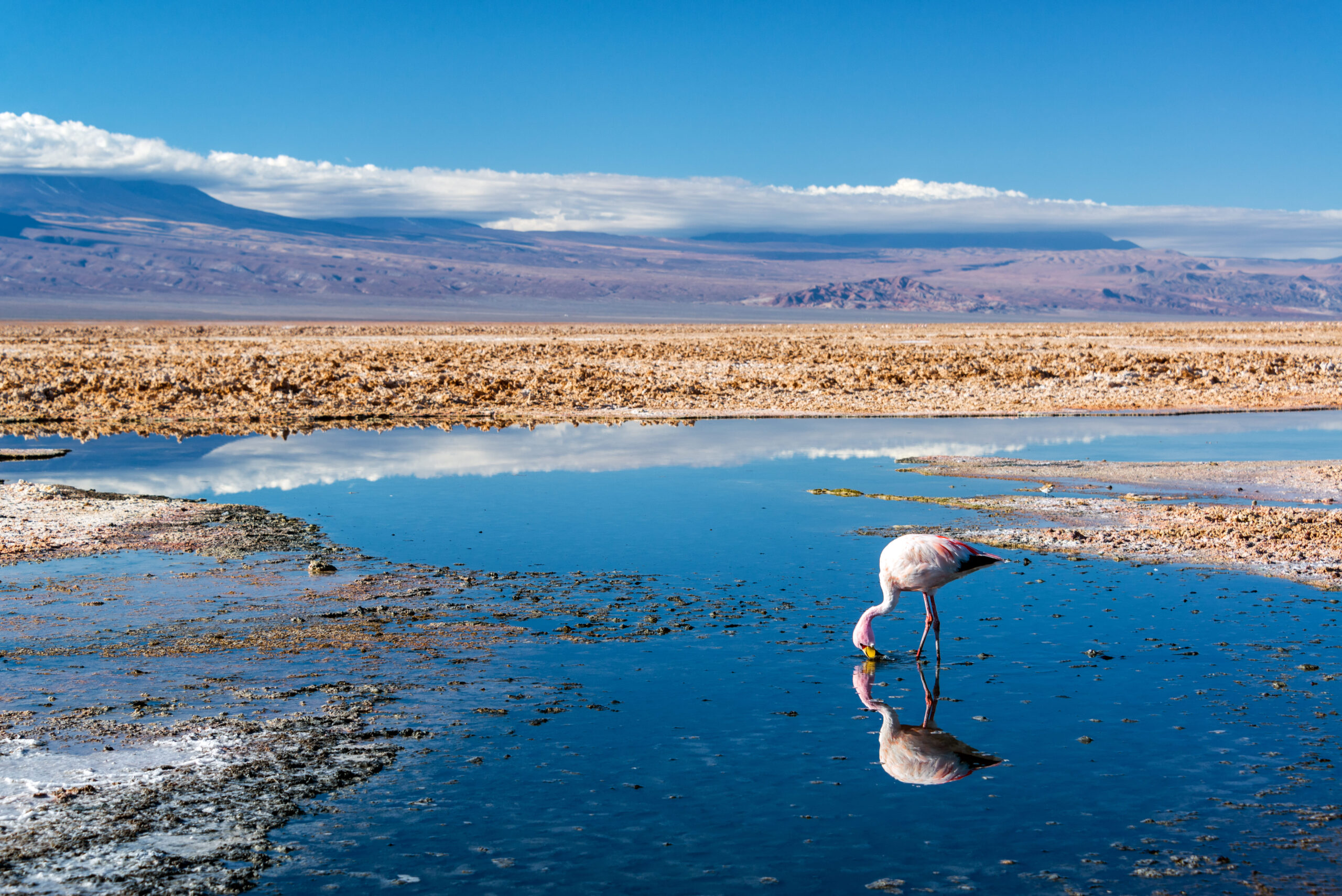
Piedras Rojas features red rock formations, salt flats and high-altitude lagoons. This excursion involves greater distances and elevation, requiring more time and appropriate altitude acclimatisation.
It should not be treated as a quick morning alternative immediately after arriving in San Pedro.
Evening: stargazing in the Atacama Desert
At night, join a guided stargazing tour away from the lights of the town.
Operators such as SPACE conduct astronomy experiences on clear nights using several telescopes and providing an introduction to the southern sky. Tours can be cancelled because of clouds, strong winds or periods close to the full moon.
Tips for driving Chile’s Stargazing Route by campervan
Book observatories in advance
Tourist observatories and guided stargazing tours have limited capacity. Check their weather cancellation and rescheduling policies before booking.
Check the moon phase
For better views of the Milky Way and faint deep-sky objects, choose dates close to the new moon. Bright moonlight does not prevent all observations, but it reduces the visibility of fainter stars and galactic structures.
Pack warm clothing
Daytime temperatures may be high, but nights in the Elqui Valley and San Pedro de Atacama can be very cold. Pack thermal layers, a windproof jacket, a hat and closed shoes.
Bring the right photography equipment
For astrophotography, consider carrying:
- A camera with manual settings.
- A stable tripod.
- Spare batteries.
- A red-light torch.
- A lens-cleaning cloth.
- An app for locating the Milky Way.
Use astronomy apps
Stellarium, Sky Guide and SkyView can help you identify planets, constellations and other objects in the night sky.
Plan fuel, water and rest stops
Do not wait until your fuel tank is almost empty. Before every long section, refuel, check tyre pressure and restock the campervan with water and food.
Stay only in authorised locations
Respect private property, local communities and protected areas. Never discharge grey water onto roads, public squares or natural areas, and take all rubbish with you.
How many days do you need for the route?
The itinerary can be completed in six days, but seven to nine days is far more comfortable. This gives you time to rest after long drives, spend an additional night on the coast and explore the Elqui Valley and San Pedro de Atacama without rushing.
What is the best time of year for stargazing in Chile?
The route can be driven at different times of year. Consider the moon phase, weather forecast, overnight temperatures and observatory availability when choosing your dates.
Winter nights can be particularly cold, while summer attracts more visitors. San Pedro de Atacama recommends booking accommodation and activities in advance during periods of high demand.
Explore northern Chile with Masai Campers
The magic of this route begins after sunset. Travelling by campervan gives you the freedom to move at your own pace, wake up surrounded by new landscapes and experience some of Chile’s most impressive night skies.
With Masai Campers, the journey becomes part of the adventure. Pack your camera, choose dates close to the new moon and set off on a road trip that will remind you just how vast the universe really is.