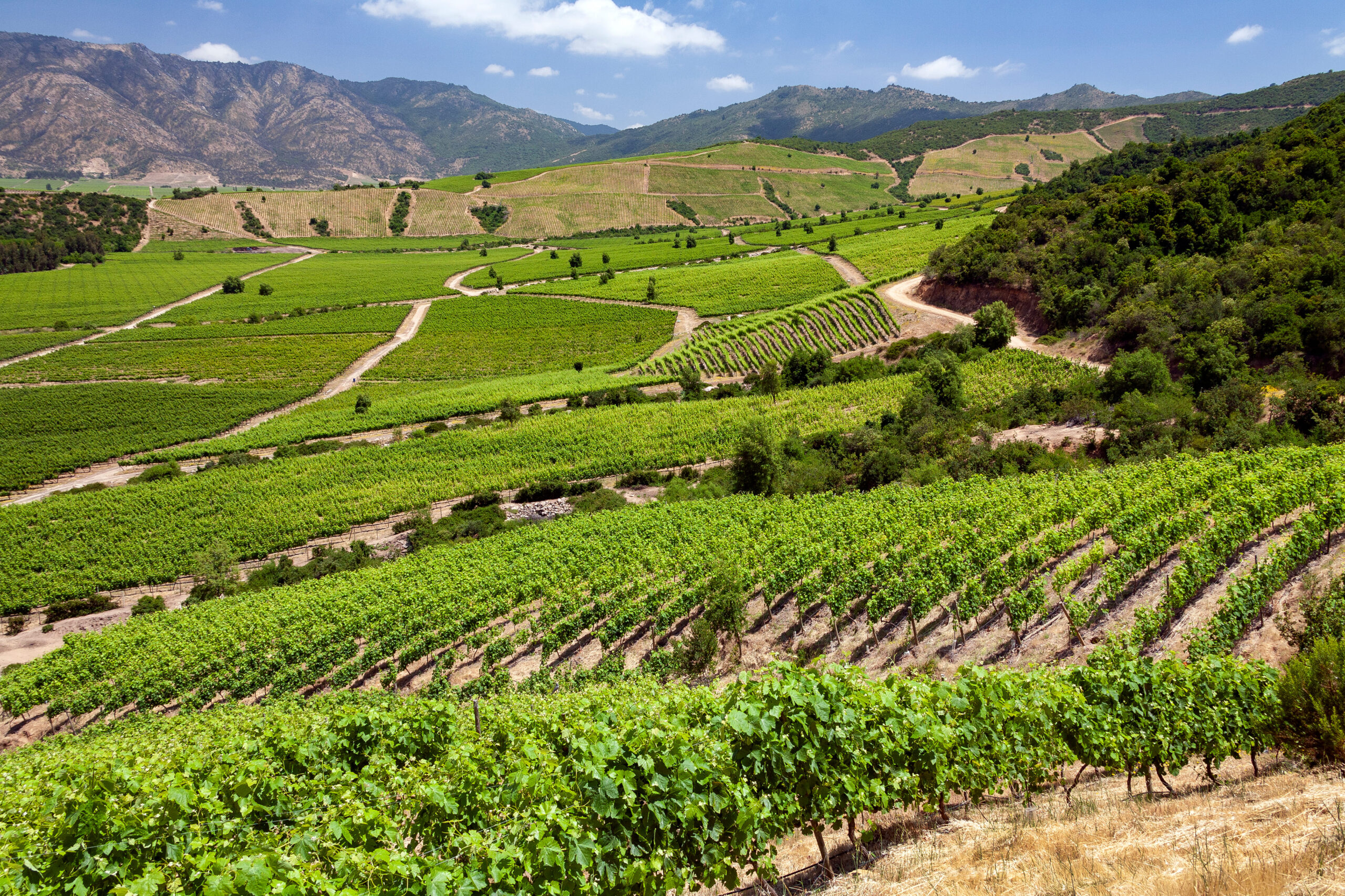
Five days of vineyards, landscapes and adventure
Travelling through Chile by campervan means having the freedom to follow the road at your own pace, stop when a landscape catches your attention and make every journey part of the experience.
Combine that freedom with vineyards, Chilean food, rural towns, coastal scenery and nature, and you have the perfect road trip.
This Chile Wine Route by campervan connects some of the country’s most important wine regions. Beginning in Santiago, it travels through Casablanca, San Antonio and Leyda, Colchagua, Maule and Maipo, combining winery visits with activities that go far beyond a traditional tasting.
The itinerary can be completed in five days, although six or seven days provides a more relaxed experience and enough time to include Radal Siete Tazas National Park.
Minimum recommended duration: 5 days.
Ideal duration: 6 to 7 days.
Approximate total distance: 850 to 950 kilometres, depending on detours.
Road conditions: motorways, paved rural roads and some secondary access roads.
General route: Santiago → Casablanca → Rosario Valley → Leyda and San Antonio → Colchagua → Maule → Pomaire and Maipo → Santiago.
DAY 1: SANTIAGO TO THE CASABLANCA VALLEY
Approximate distance: 80 kilometres.
Estimated driving time: 1 to 1.5 hours.
Begin the journey by collecting your Masai Camper in Santiago. Before leaving, buy food, organise your equipment and check the vehicle’s water, electrical and gas systems.
Drive west along Route 68 towards the Casablanca Valley. Influenced by cool Pacific air, Casablanca is one of Chile’s best-known wine-tourism destinations.
Casas del Bosque Winery
Casas del Bosque is located in the heart of the Casablanca Valley and offers several wine-tourism experiences, including winery tours, tastings and outdoor activities.
Travellers looking for a more active visit can book a cycling experience through the vineyards. Always check current schedules, restrictions and booking requirements.
Optional detour: Lago Peñuelas National Reserve
Travellers leaving Santiago early may add a walk through Lago Peñuelas National Reserve, provided that it is open.
The reserve is located west of Casablanca towards Valparaíso, so it is not directly between Santiago and the main wineries. Its authorised areas offer opportunities for walking and observing local flora, wildlife and birds.
Opening times and available trails can change because of weather, wildfires or conservation work, so check the official information before travelling.
Exploring Casablanca
Before ending the day, walk around Casablanca’s main square, visit local shops or enjoy a meal at one of the valley’s restaurants.
Where to stay overnight
Choose an authorised campsite in Casablanca, Quintay or the surrounding area. Confirm that it accepts your campervan’s dimensions and provides toilets, water and electrical connections.
A visitor car park at a winery does not automatically permit overnight stays. Permission must always be obtained in advance.
DAY 2: CASABLANCA TO THE SAN ANTONIO AND LEYDA VALLEYS
Approximate distance: 70 to 110 kilometres, depending on the selected wineries and coastal stops.
Estimated driving time: 1.5 to 2.5 hours.
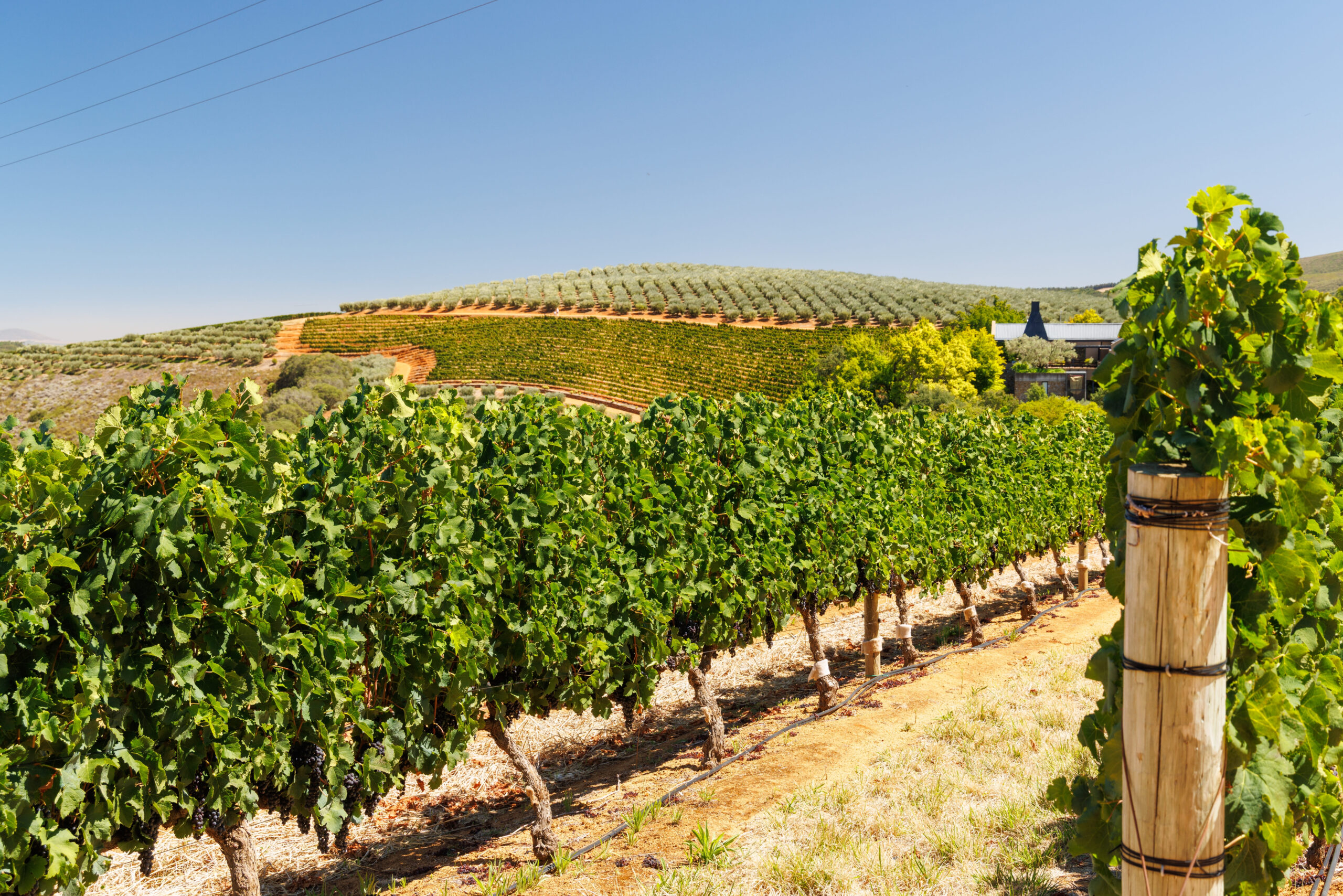
The second day connects the inland scenery of Casablanca with the coastal vineyards of San Antonio and Leyda.
These valleys contain some of Chile’s vineyards closest to the Pacific Ocean, creating a distinctive cool-climate wine region influenced by maritime conditions.
Matetic Vineyards and Rosario Valley
Matetic is located in the Rosario Valley between Casablanca and San Antonio. It is known for organic and biodynamic wine production and offers experiences related to its winery, vineyards and surrounding nature.
Depending on the programme, visitors can take a biodynamic tour, cycle along local trails or walk through the estate. All activities should be arranged directly with the winery in advance.
Casa Marín
Casa Marín is located in Lo Abarca, near Cartagena, and is strongly connected to Chile’s coastal terroir.
Visitor experiences may include vineyard and winery tours, the story behind the family project and guided tastings of premium wines.
Confirm tour languages, schedules and availability before arrival.
Garcés Silva and Amayna
Garcés Silva produces Amayna wines in the Leyda Valley. Its vineyards are located in a coastal area associated with cool-climate grape varieties.
Visitor programmes may change, so contact the winery directly to confirm whether tours are available on your travel dates.
Do not attempt full tours at Matetic, Casa Marín and Garcés Silva on the same day. Choose one or two wineries for a more relaxed itinerary.
San Antonio Port and seafood
After exploring the vineyards, continue towards San Antonio Port. Paseo Bellamar offers views of the port and restaurants serving fresh fish and seafood.
The San Antonio and Leyda route combines coastal vineyards, maritime landscapes and local cuisine.
Walking along the coast
End the afternoon in Santo Domingo, Cartagena or another destination along the Poets’ Coast.
This coastal route includes beaches, small towns and cultural attractions.
Where to stay overnight
Book an authorised campsite in Santo Domingo, Cartagena or the surrounding San Antonio area. Avoid staying overnight in urban car parks, beaches or waterfront areas without permission.
DAY 3: SAN ANTONIO TO THE COLCHAGUA VALLEY
Approximate distance: 190 to 230 kilometres.
Estimated driving time: 3 to 4 hours.
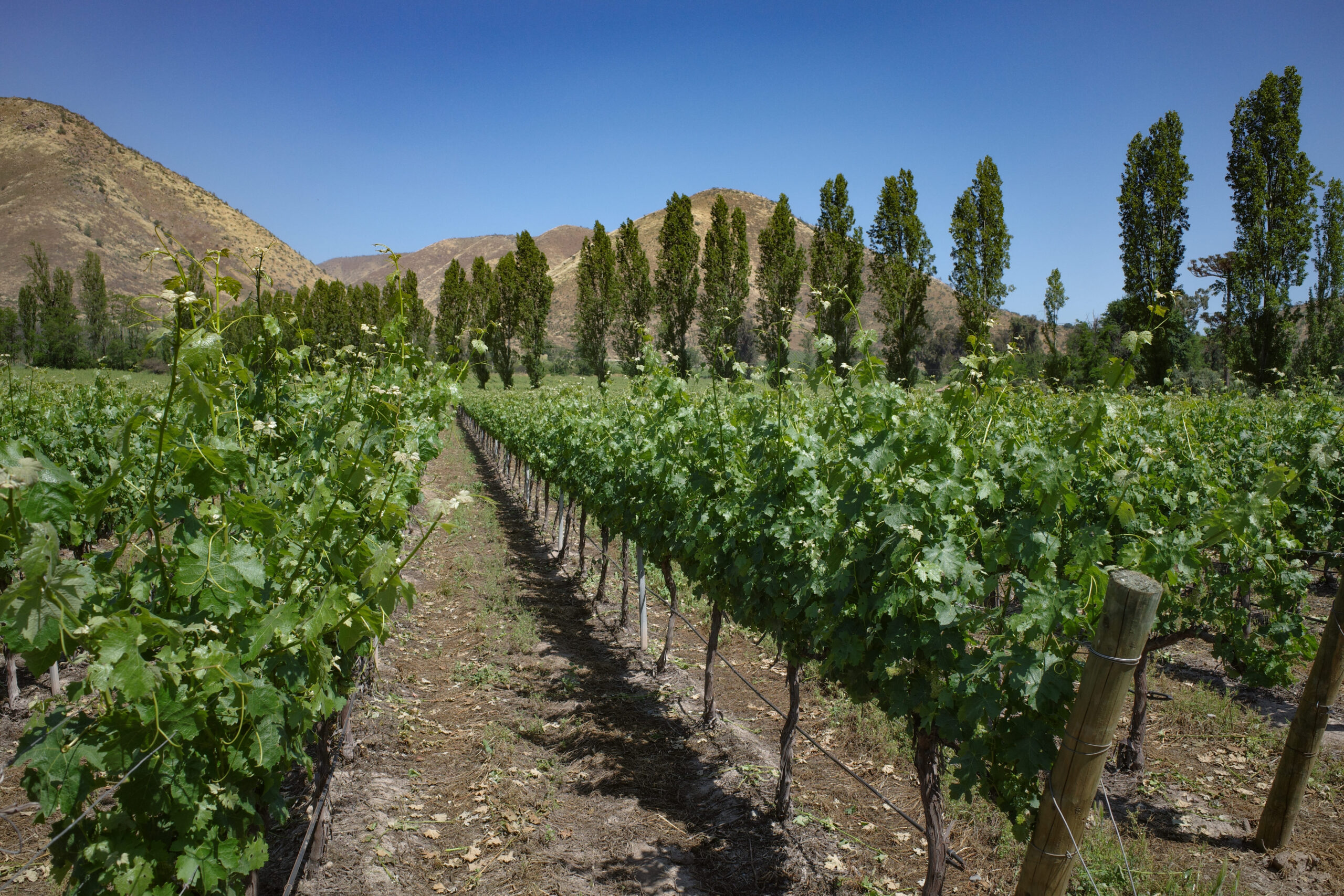
Leave early and travel towards Santa Cruz and the Colchagua Valley. The journey passes through farmland, rural towns and the agricultural landscapes of central Chile.
Colchagua is one of the country’s best-known wine regions, particularly for its red wines and the concentration of wineries, restaurants and tourism experiences around Santa Cruz and Apalta.
Montes Winery and Fuegos de Apalta
A visit to Montes can be combined with lunch at Fuegos de Apalta.
The restaurant sits among the estate’s vineyards and features a menu created with the distinctive approach of renowned chef Francis Mallmann. Meat, fish and vegetables are prepared using different fire-cooking techniques and paired with Montes wines.
Advance reservations are essential, and the experience may occupy a large part of the day.
Viu Manent
Viu Manent is another excellent option. The winery offers carriage tours, vineyard walks, conventional and electric bicycle experiences, picnics and different tasting programmes.
Its experiences follow private roads through the vineyards while introducing visitors to viticulture and the landscapes surrounding Apalta.
Choose either Montes or Viu Manent as your main winery experience. Completing both full tours and a long lunch on the same day may leave very little time for Santa Cruz.
Colchagua Museum
Spend the afternoon at the Colchagua Museum in Santa Cruz. Its collections explore different periods of Chilean and Latin American history.
Other cultural attractions include the Automobile Museum, Handicraft Museum and Wine Museum. These attractions are not all located in the same place, so choose one or two according to your available time.
Cycling around Santa Cruz
Another option is to explore the surroundings of Santa Cruz by bicycle. Routes of different lengths and difficulty levels connect wineries, rural roads and nearby towns.
Some tourism programmes combine cycling with picnics, horse riding or other outdoor activities.
Where to stay overnight
Use an authorised campsite in Santa Cruz or the surrounding Colchagua Valley.
Some wineries and rural properties may accept campervans through private arrangements, but this must always be confirmed directly and in writing.
DAY 4: COLCHAGUA TO THE MAULE VALLEY
Approximate distance: 180 to 230 kilometres.
Estimated driving time: 2.5 to 3.5 hours.
Continue south along Route 5 towards San Javier, Talca or the rural areas of the Maule Valley.
The landscape here is shaped by traditional vineyards, old vines and family-run wine projects. The Maule and Curicó valleys combine wine culture with rural scenery and access to the Andean foothills.
Balduzzi Winery
Balduzzi is located in San Javier, close to Route 5 South. Its visitor programme may include the historic winery, vineyards, barrel room, wine museum, park and a tasting.
Confirm current opening times, languages and food-pairing experiences before travelling.
Gillmore Winery and Maule Carignan
Gillmore is located in the Loncomilla Valley and is associated with heritage varieties and wines such as Carignan.
Contact the winery directly to ask about current tours, tastings or private picnic experiences, as visitor availability may be limited.
Curicó Market
Depending on your itinerary, stop in Curicó to purchase fruit, cheese, handicrafts and local produce.
Remember that including Curicó, San Javier and Talca on the same day will increase the total driving time.
Optional extension: Radal Siete Tazas National Park
Radal Siete Tazas is located near Molina in the Andean foothills of the Maule Region. Its landscapes include waterfalls, natural pools, native forest and the Claro River.
The park requires a significant detour. Add a sixth day or replace the winery programme with a full nature excursion rather than attempting to fit everything into one day.
Check the official opening status and road conditions before travelling, and use only authorised access routes.
Where to stay overnight
Choose an authorised campsite near San Javier, Talca, Molina or the surrounding countryside.
When visiting Radal Siete Tazas, confirm whether campsites around Parque Inglés are open and able to receive campervans.
DAY 5: MAULE VALLEY TO SANTIAGO
Approximate direct distance: 260 kilometres.
Estimated direct driving time: 3.5 to 4 hours.
Begin the final day by travelling north along Route 5. Adding Pomaire and a Maipo Valley winery can extend the journey to six or seven hours.
Pomaire
Stop in Pomaire, one of Chile’s best-known pottery towns. Its workshops and shops preserve the tradition of producing clay cooking pots, plates, decorative pieces and the famous three-legged pig figurines.
Pomaire is also known for Chilean food and oversized clay-oven empanadas, traditionally promoted as one-kilogram empanadas.
Undurraga Winery
Undurraga is located in Talagante, in the Maipo Valley. It is approximately 45 minutes from Santiago and offers wine-tourism programmes by reservation.
Select a tour that fits your return schedule, and remember that the designated driver must not take part in the tasting.
Odfjell Vineyards
Another possible stop west of Santiago is Odfjell Vineyards, a project associated with organic and biodynamic farming and its Norwegian Fjord horses.
Visitor experiences may change, so confirm directly whether tours are operating before adding the winery to your final itinerary.
Do not plan full tastings at both Undurraga and Odfjell during the same afternoon. Choose one and book ahead.
TIPS FOR DRIVING CHILE’S WINE ROUTE BY CAMPERVAN
Choose a designated driver
The most important rule is simple: the person driving does not participate in wine tastings. Do not drive after consuming alcohol.
Travellers can alternate drivers between days, arrange local transportation from the campsite or allow the driver to participate in the winery tour without drinking.
Book winery visits in advance
Many wineries operate only with reservations, particularly for private tours, cycling experiences, picnics, horse rides and lunches.
Confirm the tour language, duration and whether the car park can accommodate your campervan.
Visit only one or two wineries per day
A full winery experience may take one or two hours, excluding lunch, shopping and driving.
Choosing fewer experiences makes the journey more enjoyable and prevents the itinerary from becoming rushed.
Never assume overnight parking is allowed
A winery visitor car park does not mean that overnight camping is permitted. Obtain direct authorisation or use a formal campsite.
Pack for changing temperatures
Inland valleys can be hot during the day, while Casablanca and San Antonio experience cool coastal breezes and lower afternoon temperatures.
Bring light clothing, sunscreen and a windproof jacket.
Store wine safely
Keep bottles away from direct sunlight and excessive heat. Secure them properly to prevent movement while the campervan is travelling.
Check access to protected natural areas
Lago Peñuelas and Radal Siete Tazas can close temporarily. Always check official information and never enter through unauthorised access points.
HOW MANY DAYS DO YOU NEED?
The route can be completed in five days, but six or seven days offers a better experience.
An additional day is particularly useful for visiting Radal Siete Tazas or spending more time in Colchagua without driving immediately after the day’s activities.
WHAT IS THE BEST TIME OF YEAR?
The route can be travelled throughout the year. Landscapes, opening hours and activities change according to the season, so check each winery’s programme before leaving.
Demand can increase during weekends, holidays and the grape-harvest period. Reserve winery tours, restaurants and campsites in advance.
EXPLORE CHILE’S WINE VALLEYS WITH MASAI CAMPERS
Chile’s Wine Route is not only about tasting different grape varieties. It is an opportunity to discover the geography, cuisine, history and traditions of central Chile.
Travelling with Masai Campers lets you wake up among rural landscapes, drive towards the Pacific coast, stop in small towns and adapt every stage of the journey to your own interests.
Plan the route, select your designated driver and begin an adventure in which every valley has a different story to tell.