
When winter arrives, the Andes transform the Chilean landscape. Mountains turn white, ancient araucaria forests receive their first snowfall, and several of the country’s volcanoes become extraordinary settings for skiing and snowboarding.
Chile’s Snow Route by campervan begins in Santiago, visits the main winter destinations in central Chile and continues south towards Nevados de Chillán, Malalcahuello, Corralco and Pucón.
This road trip combines snow sports, natural hot springs, mountain landscapes, local food and the freedom of travelling through Chile in a campervan.
Minimum recommended duration: 8 days.
Ideal duration: 10 to 14 days.
Best season: July to September, depending on snowfall.
Road conditions: motorways, paved roads and high-mountain routes.
General itinerary: Santiago → Farellones and the central ski resorts → optional Cajón del Maipo detour → Nevados de Chillán → Malalcahuello and Corralco → Pucón.
Snow conditions, road access and ski-lift operations can change during the day. Always check official mountain and road reports before driving.
Stop 1: Santiago, the starting point
Begin the journey by collecting your Masai Camper in Santiago. Take some time to organise your equipment, buy food and check that you have waterproof clothing, snow chains, drinking water and everything required for the mountain.
Fuel and essential supplies are generally easier to obtain in the city than at high-altitude resorts.
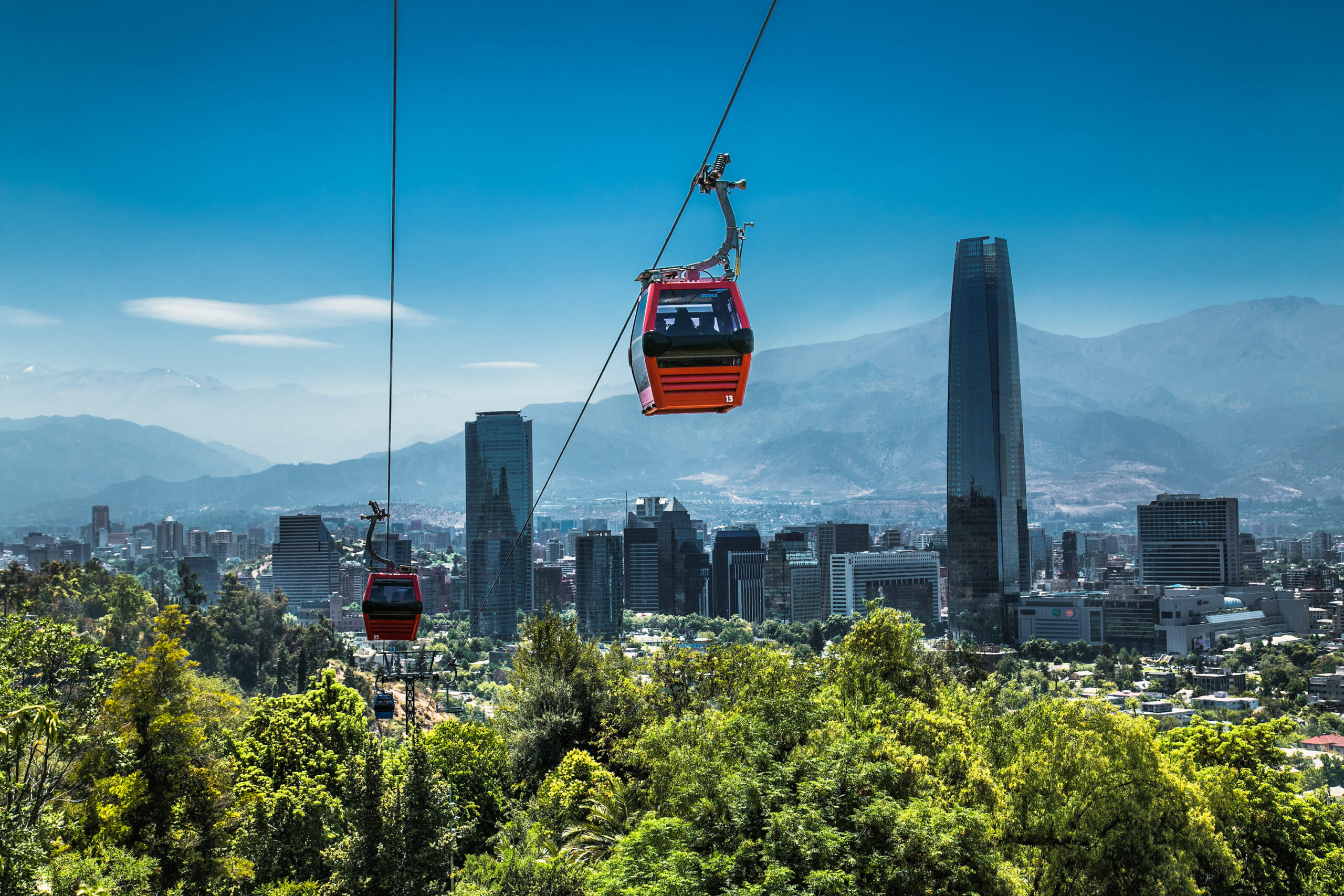
Spending a day in Santiago
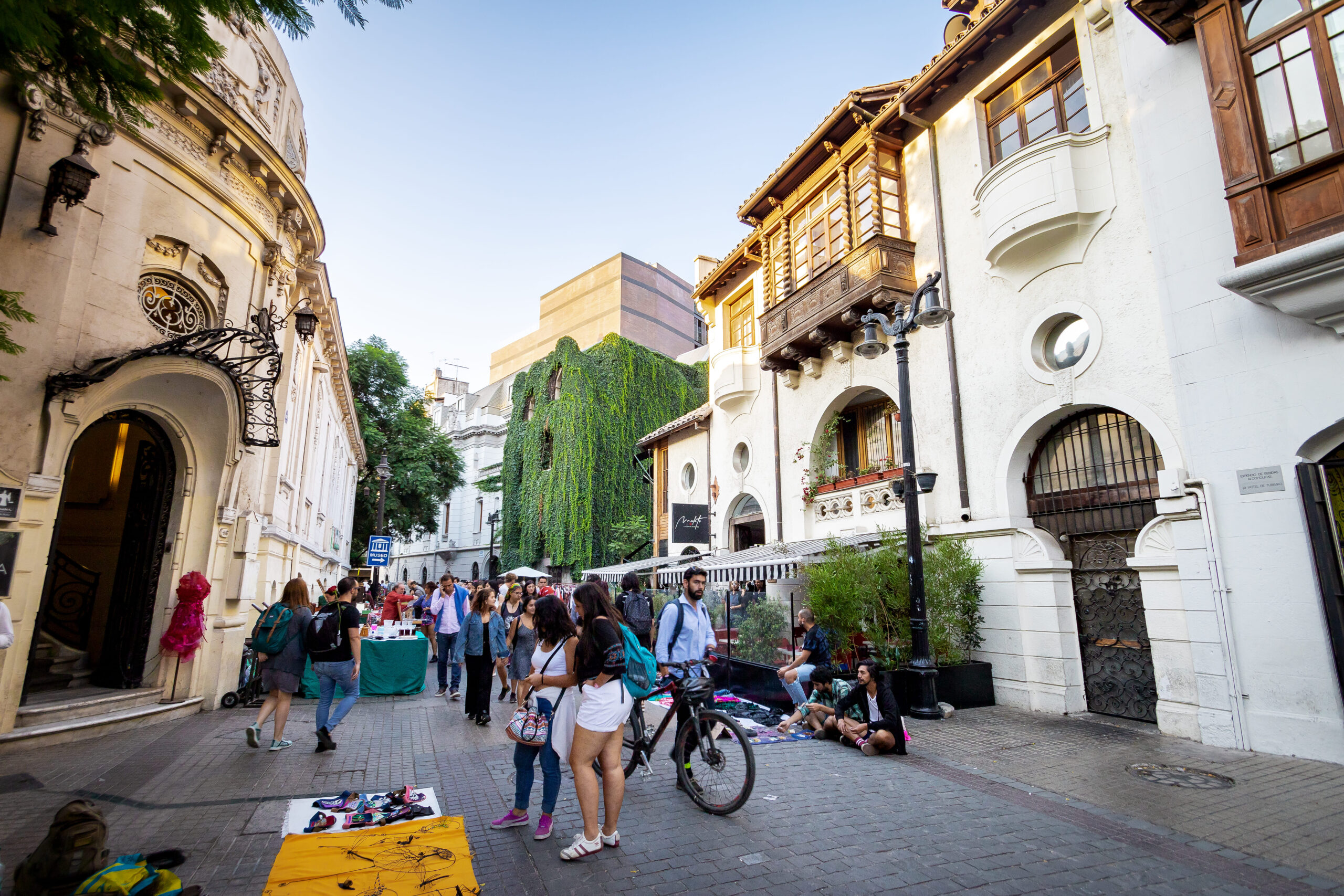
Explore the Lastarria neighbourhood, an atmospheric district known for pedestrian streets, heritage architecture, cultural venues, cafés, restaurants and independent shops.
You can also visit Cerro San Cristóbal and travel to its viewpoints by funicular or cable car. The hill forms part of Santiago’s Metropolitan Park, an extensive green area overlooking the city and the Andes.
Before leaving Santiago, check the tyres, learn how the campervan’s heating system works and practise fitting the snow chains.
Stop 2: Farellones, Valle Nevado, La Parva and El Colorado
Distance from Santiago: approximately 45 to 70 kilometres, depending on the resort.
Estimated driving time: 1.5 to 2 hours without heavy traffic.
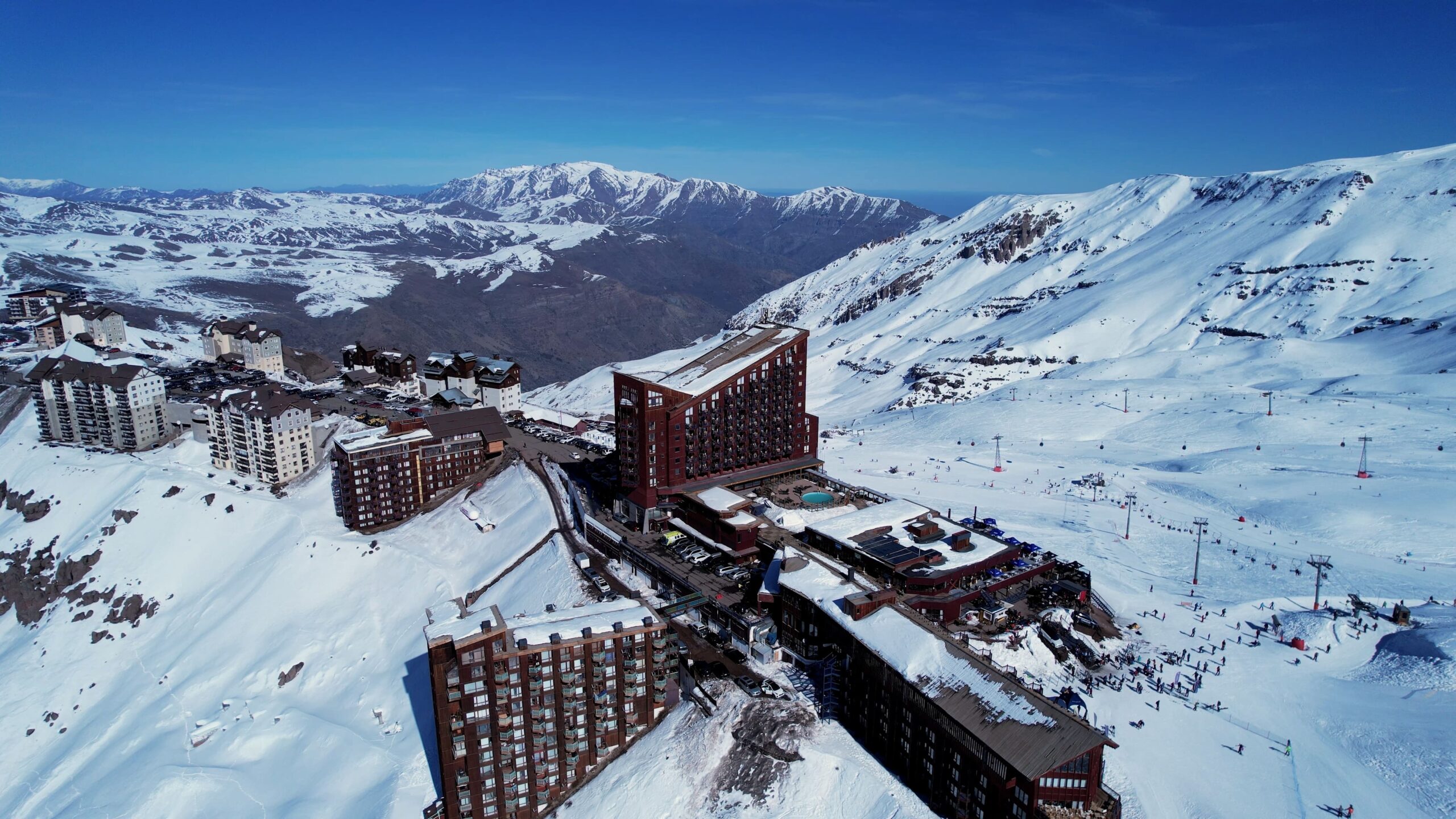
A short drive from Santiago leads to one of central Chile’s main winter areas. Farellones is a small mountain village providing access to El Colorado, La Parva and Valle Nevado.
Although they are located in the same section of the Andes, each resort offers a different selection of slopes and services. Check terrain levels, lift tickets, equipment rental and lesson availability before deciding where to ski.
Exploring Farellones
Farellones has mountain houses, restaurants, ski schools and local tourism services. It is compact enough to explore on foot before or after a day in the snow.
Farellones Mountain Centre offers activities including family tubing, zip-lining, sledding, panoramic chairlift rides and ski or snowboard lessons. Available attractions depend on weather and snow conditions.
Skiing and snowboarding
Valle Nevado, La Parva and El Colorado provide terrain for different ability levels. Beginners should book lessons and avoid slopes beyond their experience.
Snowshoe walks and other guided mountain activities may also be available, subject to weather and operating conditions.
Driving into the mountains
The road includes sharp bends, steep gradients and possible snow or ice. Carry chains that fit your campervan’s tyres and check the day’s uphill and downhill restrictions.
Route G-21 includes winter road assistance and snow-management services, but conditions can still change quickly.
Where to stay overnight
Do not assume that ski-resort car parks permit overnight stays. Contact the resort or choose an authorised campsite that confirms winter operation.
During severe weather, returning to Santiago or staying in authorised accommodation may be safer than descending after dark.
Stop 3: Cajón del Maipo, an optional detour from Santiago
Distance from Santiago: approximately 50 kilometres to San José de Maipo and around 100 kilometres to El Yeso Reservoir.
Recommended duration: one or two additional days.
Cajón del Maipo is not located on the direct route between Farellones and southern Chile. It is best visited as a separate excursion from Santiago before continuing towards Nevados de Chillán.
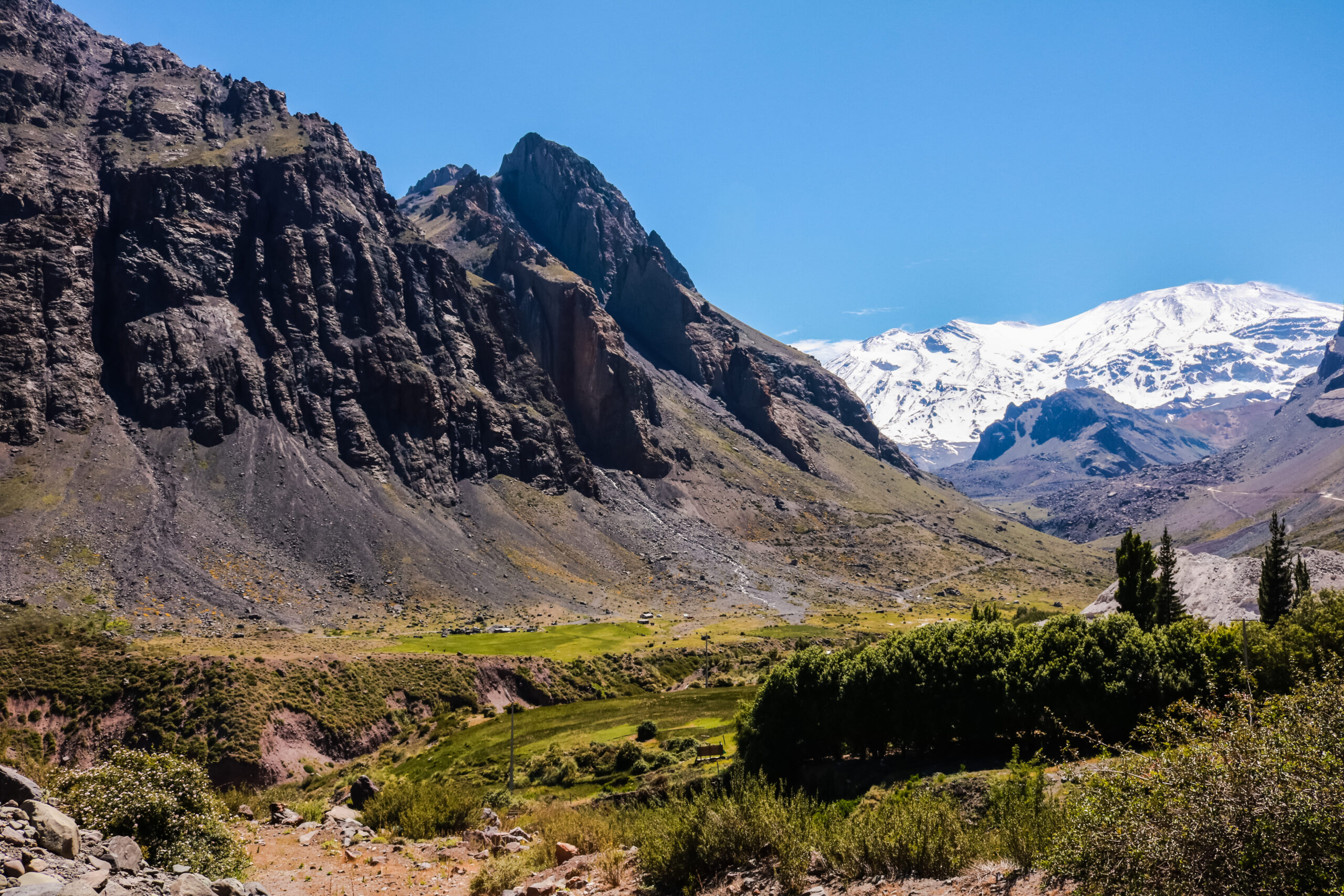
The valley combines traditional mountain villages, hot springs, local restaurants and dramatic Andean scenery.
El Yeso Reservoir
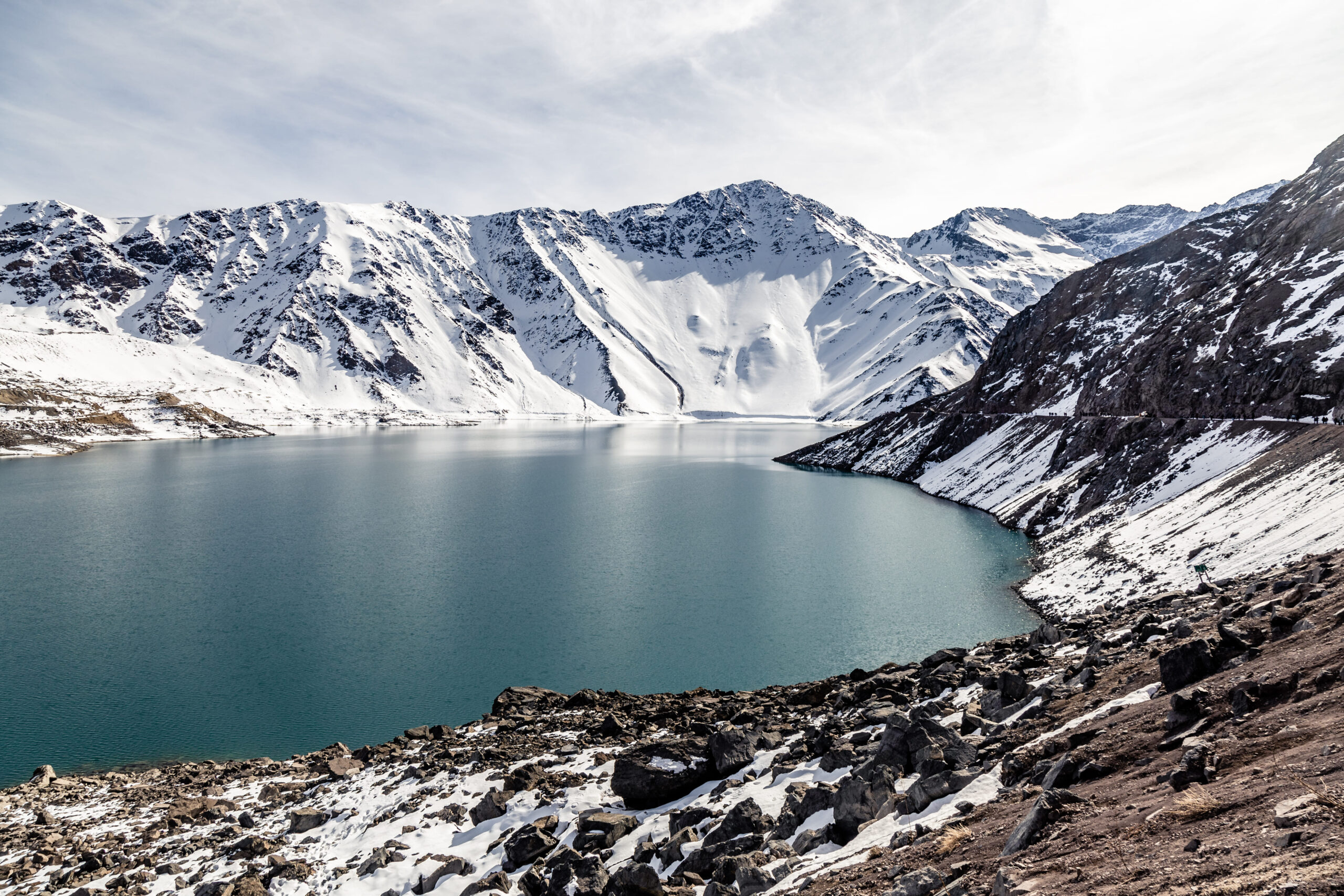
El Yeso Reservoir sits at approximately 2,500 metres above sea level and is known for its turquoise water and mountain setting.
The drive from Santiago can take around three hours. Winter conditions may include ice, snow and preventive closures, and Chile Travel recommends carefully planning the journey or using a specialised operator.
Valle de Colina Hot Springs
Valle de Colina features a series of natural thermal pools surrounded by the Andes. The access road is demanding and can be affected by rain and snow, so check its status before travelling.
Mountain food and nature
Stop in San José de Maipo to visit the main square and enjoy traditional Chilean food. Several areas of the valley also offer viewpoints, walking routes and opportunities to observe Andean wildlife.
Choose a campsite that confirms winter opening and safe road access.
Stop 4: Nevados de Chillán and Las Trancas Valley
Distance from Santiago: approximately 600 kilometres.
Estimated driving time: 7 to 8 hours with stops.
Distance from Chillán: approximately 80 to 85 kilometres.
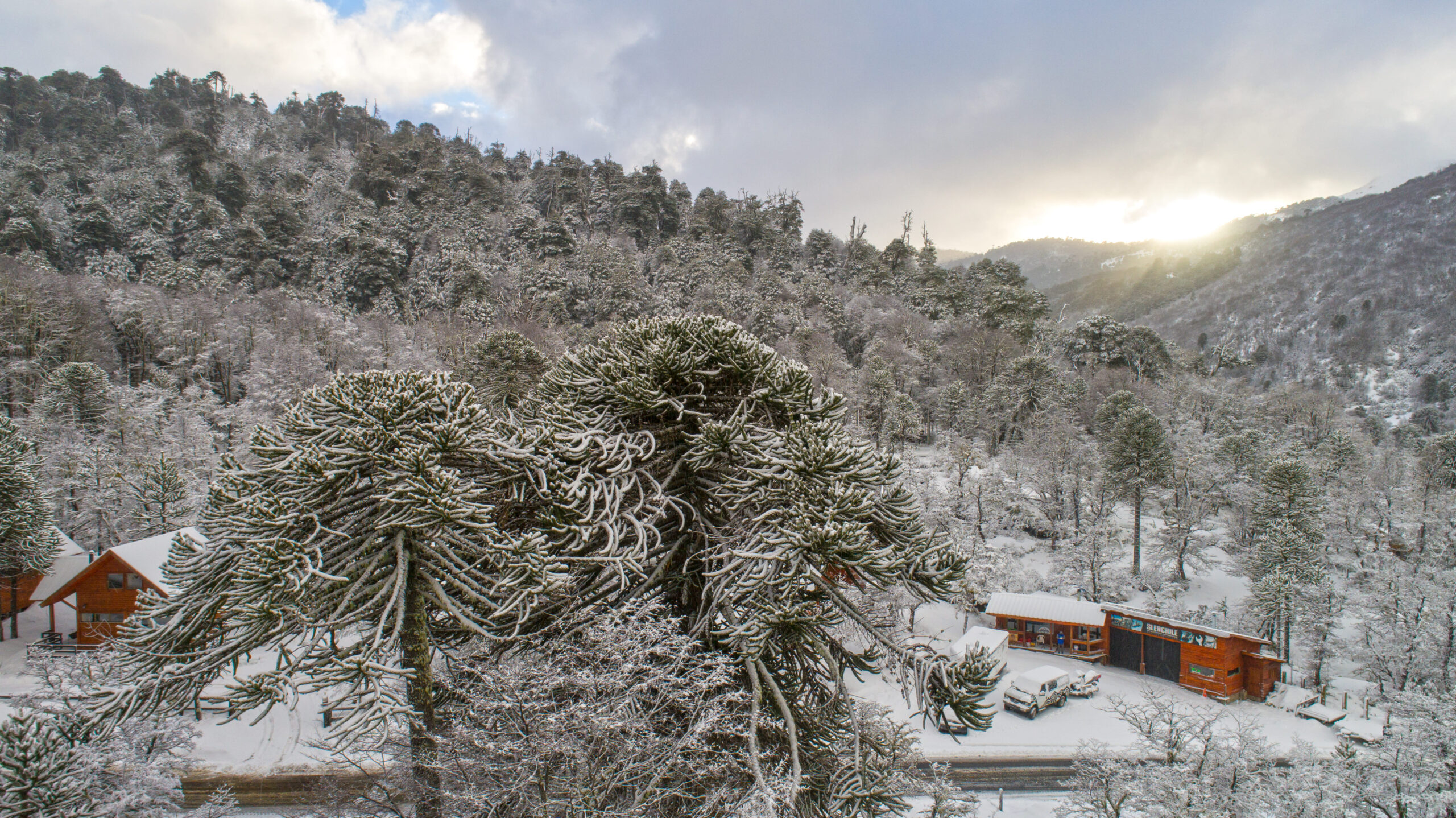
Nevados de Chillán is one of central-southern Chile’s most complete mountain destinations. Visitors can ski and snowboard in a forested volcanic landscape, relax in natural hot springs and stay in the Las Trancas Valley.
The complex includes ski slopes, a ski and snowboard school, mountain services and several thermal-water experiences.
Skiing among snowy forests
The combination of native forest, volcanic terrain and snow makes this stage particularly memorable. Terrain availability depends on snowfall, wind and daily operating conditions.
Hot springs surrounded by snow
Valle Hermoso has outdoor thermal pools, a restaurant, a small shop and a campsite. The Water Park offers indoor and outdoor pools, a café and spa facilities.
Contact the property directly to confirm campervan access and winter campsite operation.
Activities beyond skiing
Depending on the season, visitors may find tubing, zip-lining, ice skating and chairlift rides.
Any hike towards volcanic or backcountry terrain must be completed with qualified guides, technical equipment and current authorisation. Check Sernageomin’s volcanic alerts and local restrictions before booking.
Where to stay
Las Trancas offers campsites, cabins and other tourism services. Book ahead and confirm electrical connections, showers, vehicle-size limits and winter access.
Distance from Nevados de Chillán: approximately 300 kilometres.
Estimated driving time: 4.5 to 5.5 hours.
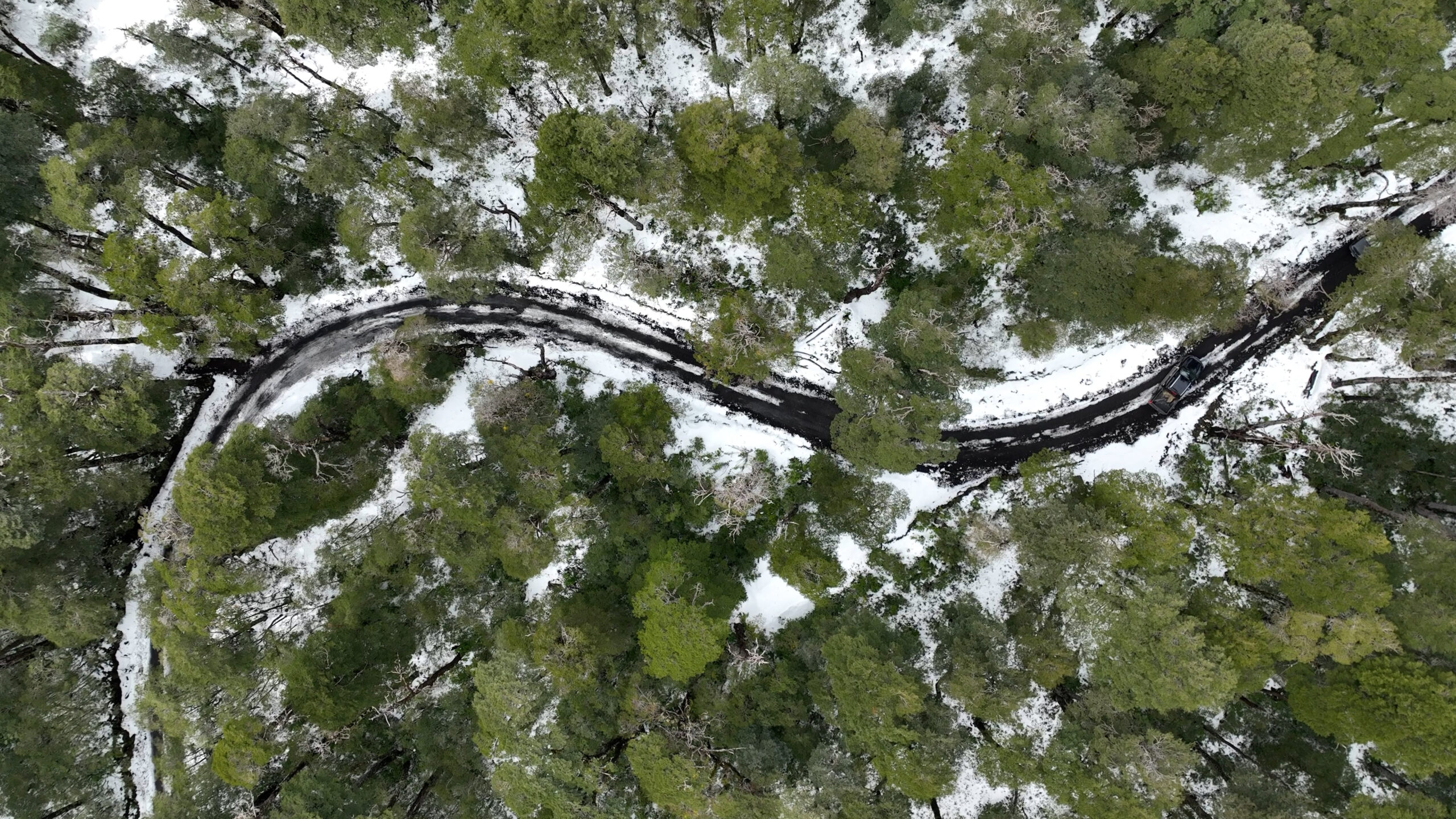
The route continues into the Araucanía Region, where araucaria forests and the Lonquimay Volcano create one of southern Chile’s most distinctive winter landscapes.
Corralco is located within Malalcahuello National Reserve, at the foot of the Lonquimay Volcano.
Skiing and snowboarding at Corralco
The resort has 32 groomed runs for different ability levels and approximately 25 kilometres of prepared terrain. Private and group ski and snowboard lessons are also available.
Walking among araucaria trees
Malalcahuello features volcanic terrain, Andean forest and ancient araucarias. During winter, trails may require snowshoes, a guide and winter-navigation experience.
Check the reserve’s opening status before visiting, as CONAF can close areas because of snow, wind, fires or other safety conditions.
China Muerta National Reserve
Travellers with additional time may consider the surrounding areas of China Muerta National Reserve. Access should not be considered guaranteed during winter, as roads and trails depend on weather and CONAF decisions.
Stay at an authorised campsite in Malalcahuello or Curacautín and never park overnight inside a protected area without permission.
Stop 6: Pucón and Villarrica Volcano
Distance from Malalcahuello: approximately 230 to 270 kilometres.
Estimated driving time: 4 to 5 hours.
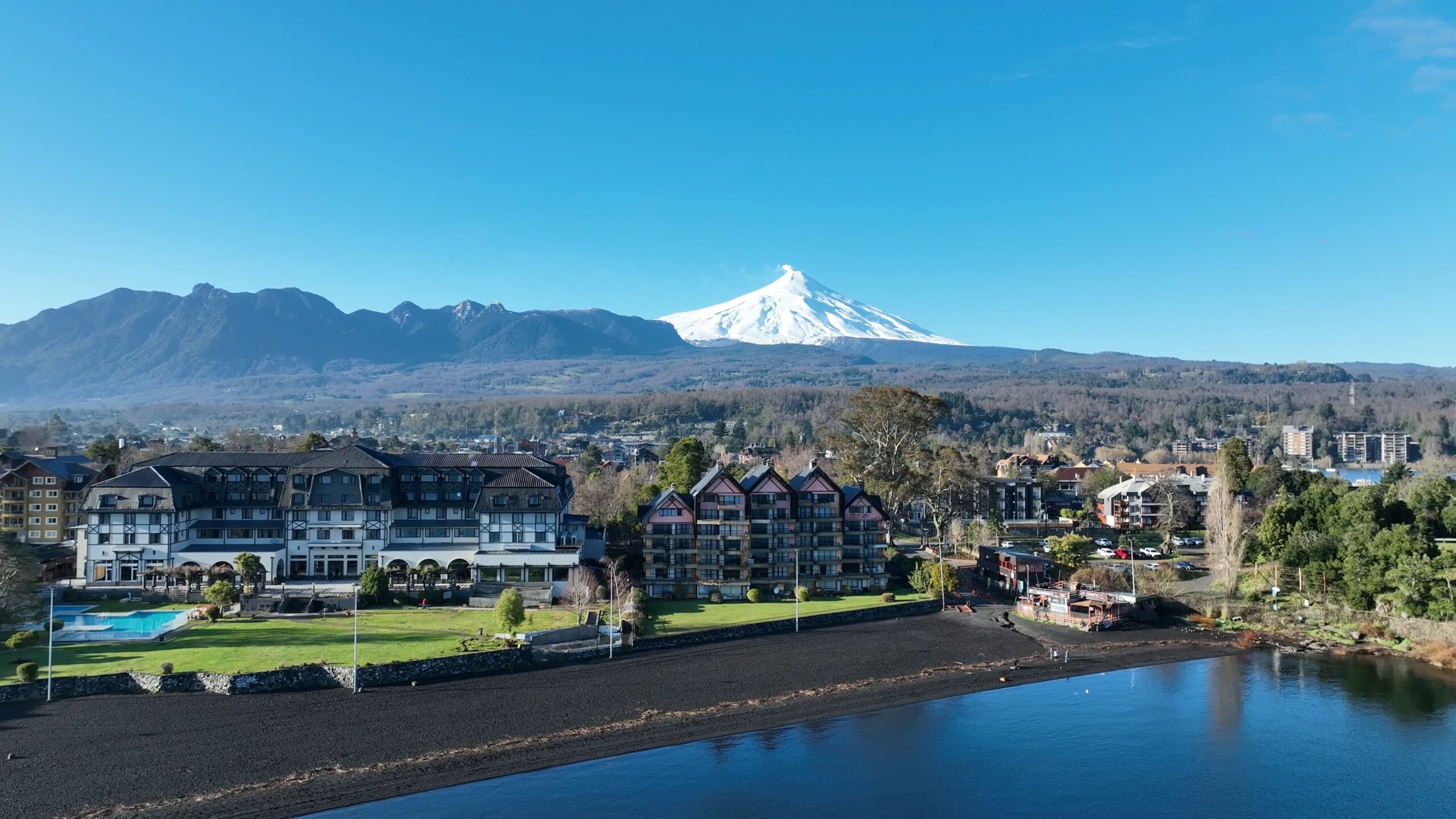
The final stage arrives in Pucón, one of Chile’s best-known adventure destinations. The town combines a lake, volcano, restaurants, hot springs, shops and an active evening atmosphere.
Skiing on the slopes of a volcano
The mountain centre on Villarrica Volcano offers skiing and snowboarding with views across the surrounding lakes and Araucanía landscapes.
It currently operates as Pillán Mountain Centre, and opening conditions depend on snow, wind, visibility and volcanic activity.
Exploring Pucón
Walk through the centre, discover local food and visit shops selling regional crafts and products. Pucón also has restaurants, pubs and bars, but always park the campervan safely before drinking alcohol.
Hot springs and outdoor activities
Several thermal complexes are located around Pucón. Visitors can also explore viewpoints, walk near the lake or book specialised outdoor experiences.
Kayaking and other water activities depend on wind, weather and water temperature. In winter, use a qualified operator and appropriate thermal equipment.
Climbing Villarrica Volcano
Climbing Villarrica is a technical mountain activity rather than a conventional hike. It should only be attempted with authorised operators, technical equipment and suitable weather, access and volcanic conditions.
Villarrica remains under permanent monitoring by Sernageomin, so check the current alert level before booking.
Choose a campsite that confirms winter opening, hot-water facilities, electrical connections and safe campervan access.
Campervan tips for Chile’s Snow Route
Carry chains and know how to fit them
Check that the chains match your tyre size and practise fitting them before the journey. Waterproof gloves and a head torch are also useful.
Use a safe heating system
Use the campervan’s approved, installed heating system. Never sleep with an unvented portable fuel-burning heater, as it can cause carbon-monoxide poisoning or fire.
Keep ventilation points clear, follow the vehicle instructions and carry a carbon-monoxide detector.
Check roads and weather daily
Use official reports from ski resorts, road authorities, SENAPRED and CONAF. Windy and Snow-Forecast are useful planning tools but do not replace official access restrictions.
Refuel before climbing
Fill the tank in major towns or cities. Fuel may not be available at the mountain resorts, and other supplies are often more expensive.
Book campsites in advance
Many Chilean campsites open only during summer. Confirm that the site accepts campervans, is open during winter and has a safe access road.
Protect the water system
Freezing temperatures can damage tanks and hoses. Follow the instructions for your campervan model, avoid leaving exterior connections exposed overnight and carry emergency drinking water inside.
Prepare an emergency kit
Carry a shovel, jump leads, thermal blankets, torch, portable charger, first-aid kit, food, water and reflective clothing.
Drive during daylight
Avoid high-mountain roads at night or immediately after heavy snowfall. Ice, fog and reduced visibility can make driving significantly more difficult.
Useful apps
iOverlander and Park4Night can help locate services, but always verify that information is recent and that overnight parking is legally permitted.
Windy and Snow-Forecast help evaluate weather and snow trends. Download offline maps before entering areas with limited mobile coverage.
How many days do you need?
The route can be completed in eight days, but ten to fourteen days is more comfortable. Extra time allows you to wait for better snow, recover after long driving stages and spend more than one night in Nevados de Chillán, Malalcahuello or Pucón.
What is the best month for the trip?
July and August are at the heart of the Chilean winter season but also attract the highest demand. September can offer longer days and slightly milder temperatures, although snowfall varies from year to year.
Always confirm official resort opening dates and snow reports before booking.
Can you drive to Chilean ski resorts in a campervan?
Yes, provided that roads are open, the vehicle is suitable and all official restrictions are followed. Carry snow chains, reduce your speed and avoid driving during severe storms.
Daytime access to a resort car park does not automatically mean that overnight parking is permitted.
Experience winter with Masai Campers
Chile’s Snow Route brings together some of the country’s most impressive winter landscapes. During one journey, you can ski above Santiago, relax in natural hot springs, travel through araucaria forests and finish beneath Villarrica Volcano.
Travelling with Masai Campers gives you the freedom to adjust the itinerary to the weather, move at your own pace and wake up to a different landscape each morning. Pack your warmest clothes, prepare the snow chains and begin an adventure where winter becomes part of the road.